DANIELLE & kEVIN
“The whole justice system is not designed for you to fit, to succeed. If you ever make a mistake, that's it. You're gonna pay for it, for the rest of your life … we don't wanna be the only ones that can get out of that hole. I mean, the system like this just wants to oppress you and make you feel like there's no way out, but it's not true.”
~ Danielle
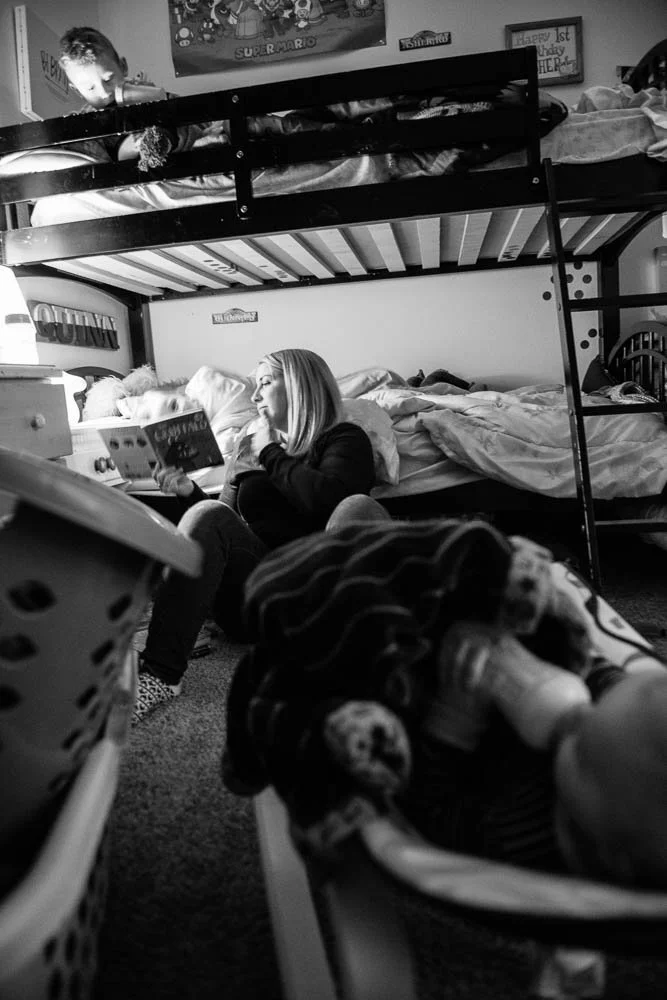
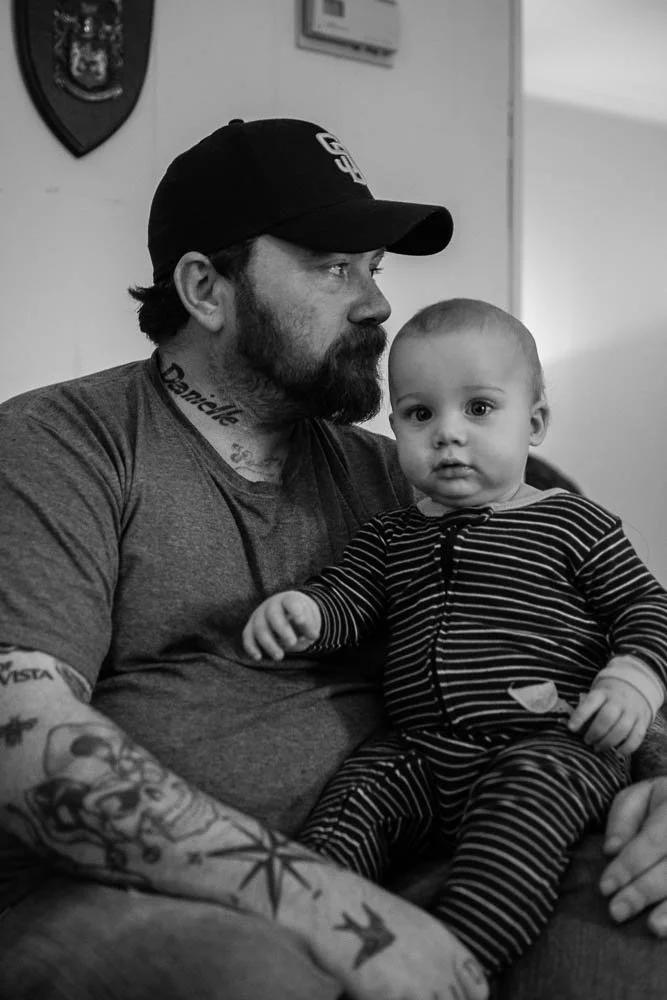
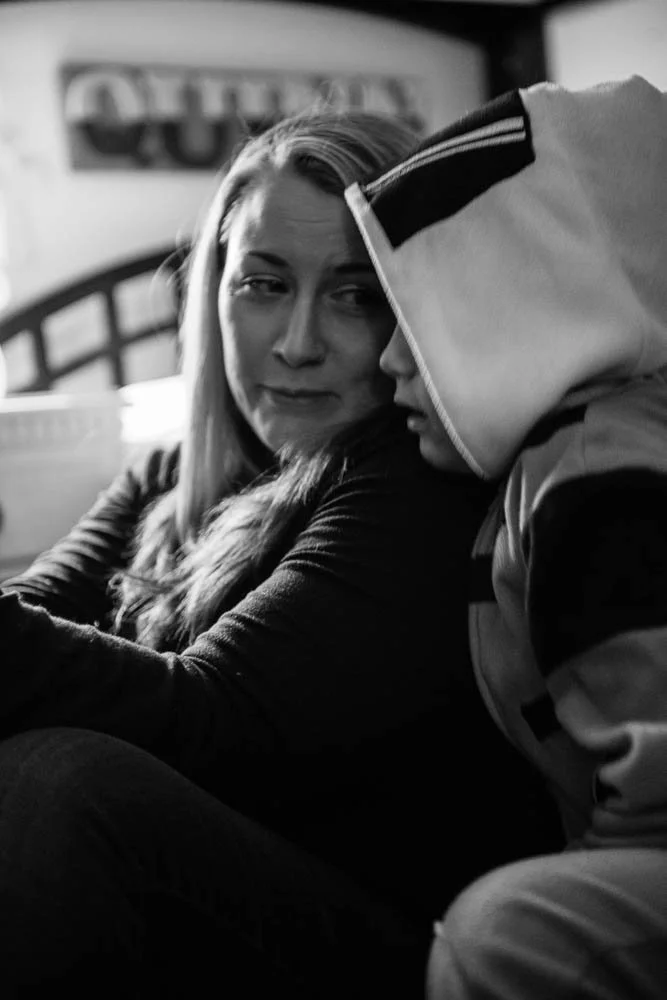
Since the day of her arrest, both Danielle and Kevin have remained drug-free, marking the longest period of sobriety in both of their lives. They have two more children together, along with successful careers in ministry and advocacy. Not only has the pair transformed their lives, but actively work to transform the lives of others like them. They have a podcast holding much-needed discussions about critical issues, such as race and homelessness. The couple’s firsthand experience and success story inspires many, even gaining the attention of a local magazine that featured their journey to recovery. They have worked to become jail chaplains, returning to the institutions that used to hold them captive to urge former cellmates and individuals in need towards a better life.
Despite their dual income and ability to save for a down payment, Danielle and Kevin cannot buy a house due to their combined LFOs. They have been approved for a mortgage, but the couple is at risk of a state lien being placed on any purchased assets until they pay off their legal financial obligations (LFOs) in entirety–a combined amount that has reached over $130,000 due to interest. They describe themselves as being in “limbo land”: their steady jobs disqualify them from food stamps and state health insurance, yet their criminal records bar them from accessing employment that offers private insurance or other job benefits.
On the Justice System
Danielle: “The whole justice system is not designed for you to fit, to succeed. If you ever make a mistake, that's it. You're gonna pay for it, for the rest of your life…we don't wanna be the only ones that can get out of that hole. I mean, the system like this just wants to oppress you and make you feel like there's no way out, but it's not true.
So here we are. We go into the places that used to hold us captive. We bring the story of good news to those who are suffering in captivity. We try to be examples of what God can do in your life if we just let go and let 'em. And we also try to show people who are, uh, struggling that their struggle doesn't have to define who they are…So whether their struggle is addiction, that doesn't have to define who you are, whether they're incarcerated. That doesn't have to define who you are.”
Washington’s Non-Unified Court System
For a long time, even though Danielle and Kevin were thriving, they were afraid to open a bank account due to the risk of garnishment or even arrest. Because Washington’s court system is not unified, every county has different sentencing procedures and rules for making payments towards one’s LFOs. Kevin remembers being terrified to even try making a payment on his LFOs in one county for fear of arrest.
Says Danielle, “I haven’t even talked to these guys [the court clerk’s office] because [. . .] County is notorious for throwing people in jail. So if they don’t hear from me, then maybe I don’t get to go to jail?”
Such court-imposed debt places serious limitations on a person’s everyday life, making it almost impossible to cover basic needs, secure housing, or move forward after incarceration. Danielle and Kevin both drive on restricted, “high-risk” occupational licenses, which they pay extra for, since the fines to recover their suspended licenses are too expensive to pay. Despite the overwhelming burden of debt, their faith carries them through, believing that no debt nor struggle is “too big for God.” They continue to make monthly payments on their LFOs, with the hopes of one day owning a house for their growing family. Through their work in ministry, Danielle and Kevin continue to share their story of success with those most in need of hope, proving that no matter the struggle, it’s temporary and “doesn’t have to define who they are.”