REY
“I don’t want to go back to prison…I want to live my life like a normal human being, but I can’t afford to pay [the court] what [they] want. I don’t know what else to do.”
At age 12, Reynaldo joined a gang to protect himself and his younger brother from racist, middle school bullies. Rey’s continued involvement was limited, particularly after the birth of his first daughter at age 17. Fatherhood pushed Rey to work toward a life of stability and success, away from harmful habits and the tempting cycle of addiction that had marked previous years of his life. Following the birth of Rey’s two other children, their mother moved all three kids out of state, causing a painful split. Though Rey stayed committed to a productive life, he found himself in the wrong place at the wrong time, and was arrested in 2006.
Rey was incarcerated for almost 10 years and released in 2015.
On Rey’s first day out of prison, he got a job selling cars. The stability gave Rey space to rebuild his personal life, reconnect with loved ones, and grow individually with the support of his reentry community.
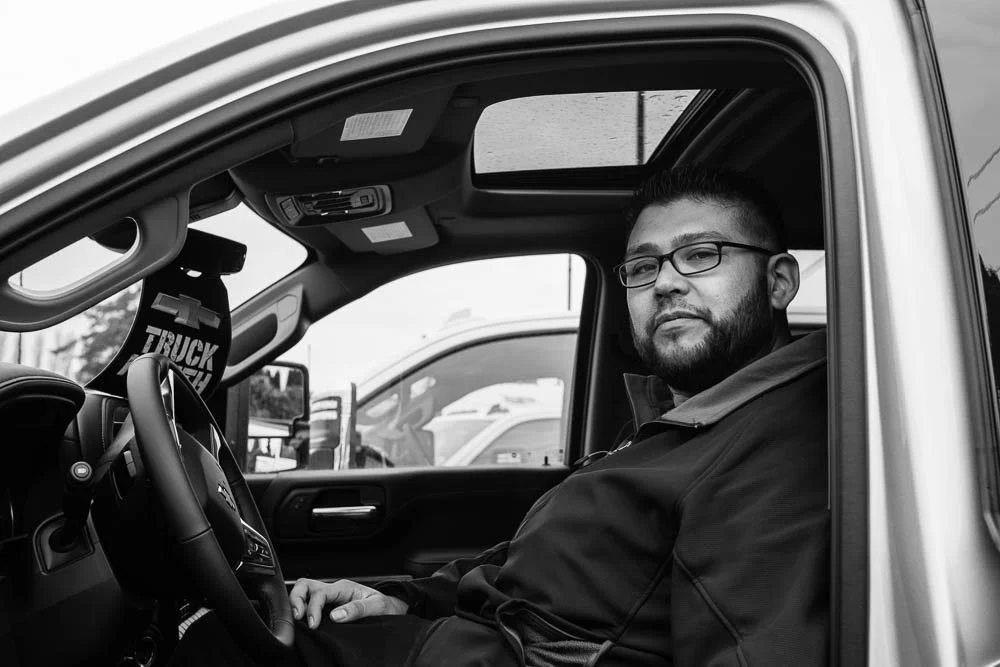
Rey’s charm and his ability to learn quickly makes him a natural, selling 15 to 20 cars a month and providing a never-before-felt sense of financial freedom and security.
Reentry and Legal Financial Obligations
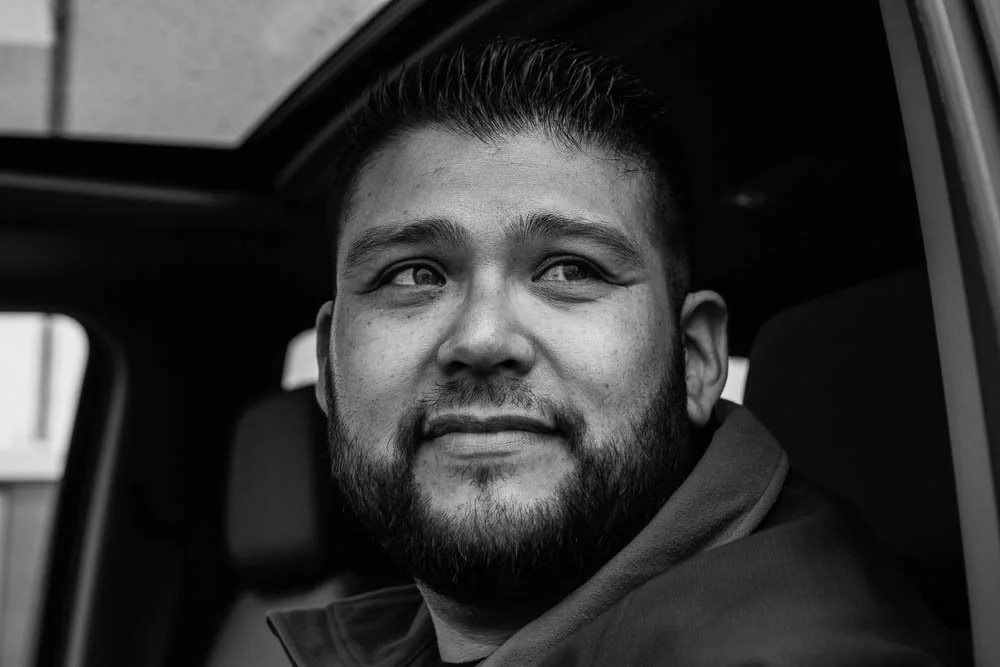
After years of successful car sales, Rey had finally saved enough for a down payment on a duplex, planning to renovate and rent out the additional space as a source of income for his children and grandchildren. The day before he signed the lease, however, Rey got a call from the State, telling him that a lien would be placed on the property even though he had official bank approval. The $35,000 in restitution Rey owed had more than doubled due to interest, allowing the State to garnish assets, beginning with any property he owned. This reality was devastating, as Rey’s dream of being a homeowner now seemed impossible due to his legal financial obligations (LFOs).
The Codefendant Problem
Another problem came up for Rey: as only one of four co-defendants regularly making payments toward their LFOs, he was forced to cover the full restitution amount with interest, while the others paid nothing. Rey, who was willing to do anything to lessen his debt, offered to pay his quarter of the restitution owed with the money he had saved for his down payment. This offer was denied because co-defendants in Washington are each responsible for 100% of their LFO debt, a legal conceppt known as “joint and several liability.”
Such challenges, along with personal difficulties, made life even harder and more uncertain for Rey and his family. The disappointment from losing the house Rey almost owned was crushing, coupled with the looming cloud of his ever-present LFOs. While at times Rey has been tempted to return to his old ways to cope, his commitment to building a better life always keeps him moving forward. His goal to create a source of income for his children and grandchildren persists, and after years of making $50 monthly payments, he views his LFO setbacks as just “a little detour, that’s all.”
In Rey’s Own Words
On LFOs:
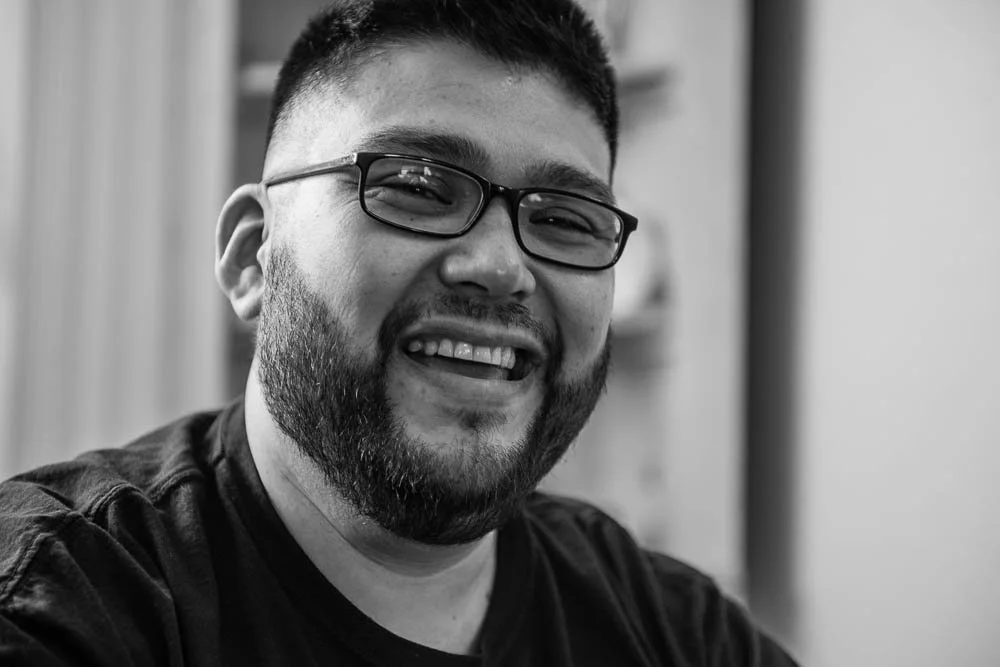
“Now I have this debt that just keeps rising and rising and it's not going to go away. I have no incentive to pay the whole thing… and how is it fair that I pay for it for this other guy to be out in the streets, doing whatever the heck he wants?
I never really had a hatred towards anything, but I have a hatred towards this [LFOs]. It's big. It's not fair. People have to pay what they pay. And I understand that, but this is robbery. It is robbery. No matter how you look at it,…[the courts] are investing all this time to collect all this money from these people where they could be investing more time into helping these people before they get out and figuring out what they can do…as far as making a plan for their LFOs [and] structuring it in a way that'll help them out.”
On Rey’s future:
“I would definitely tell somebody that if you want to have people that are coming out [of prison] that want to do great in their life, um, dude, there's guys out there that I have met that want to do amazing things with their life and stuff like this [LFOs] gets put in their way and they're not strong enough.
And, they go back to old ways. I have contemplated going back to old things, which I'll never fucking do again, but I have, I've contemplated it. I would say that if you want to stop seeing people go back to prison and you want to see people succeed that want to succeed, it would make a huge impact, not only to their lives, but their kids’ lives…I'm starting to have goals again and plans of what I want to do. Maybe, um, my outlook on all this will be a little different in a month or two, and, you know, a lot more brighter and better.
To have a future, to have some kind of, just to have a goal in the future to say, ‘hey, I'm going to leave something to my kids so that way they don't have to struggle, that way we can break that chain of poverty, of going into gangs.
I have a lot of people depending on me, a lot of people that look up to me and I don't want them to see me fail, you know, which is not going to happen.”